Fencing rarely gets much thought until something forces the issue. A storm takes down a few panels, a new dog needs a secure garden, or you’ve just moved into a property with a boundary that’s seen better days. Suddenly, you’re faced with a decision that will affect your garden for the next decade or more.
The good news is that understanding the different types of fencing available doesn’t need to be complicated. Once you know what each style offers, choosing the right one for your Ashford home becomes a lot easier. Understanding the different types of fencing available doesn’t need to be complicated, and if you’re ready to move forward, our fencing services in Ashford cover everything from consultation to installation
Why the Right Fence Choice Matters for Ashford Homes
A fence does more work than most homeowners give it credit for. It’s a security barrier, a privacy screen, a design feature, and, in many cases, the first thing visitors notice about your property.
Get it wrong, and you’ll be dealing with sagging panels within a few years, or a fence that looks completely out of place against a period cottage. Get it right, and it quietly does its job for twenty-plus years without a second thought..
Local Weather and Exposure Factors
Ashford sits in a part of Kent that gets its fair share of wind, particularly on more exposed plots near open farmland or along the edges of newer estates. According to the Met Office, South East England regularly experiences seasonal wind and rainfall patterns that can affect outdoor structures, so fencing that isn’t installed with proper post depth or bracing tends to lean or fail faster here than it would in a sheltered urban garden
Rainfall matters too. Untreated or poorly maintained timber can start showing signs of rot within a few years in a consistently damp corner of a garden, particularly where fencing sits close to hedging or overhanging trees that block airflow.
Matching Fencing to Property Style
A Victorian terrace in the town centre and a new-build on the outskirts of Ashford call for quite different fencing choices. Period properties tend to suit picket or traditional closeboard styles, while newer estates often lean towards clean-lined panel or composite fencing that matches a more contemporary look.
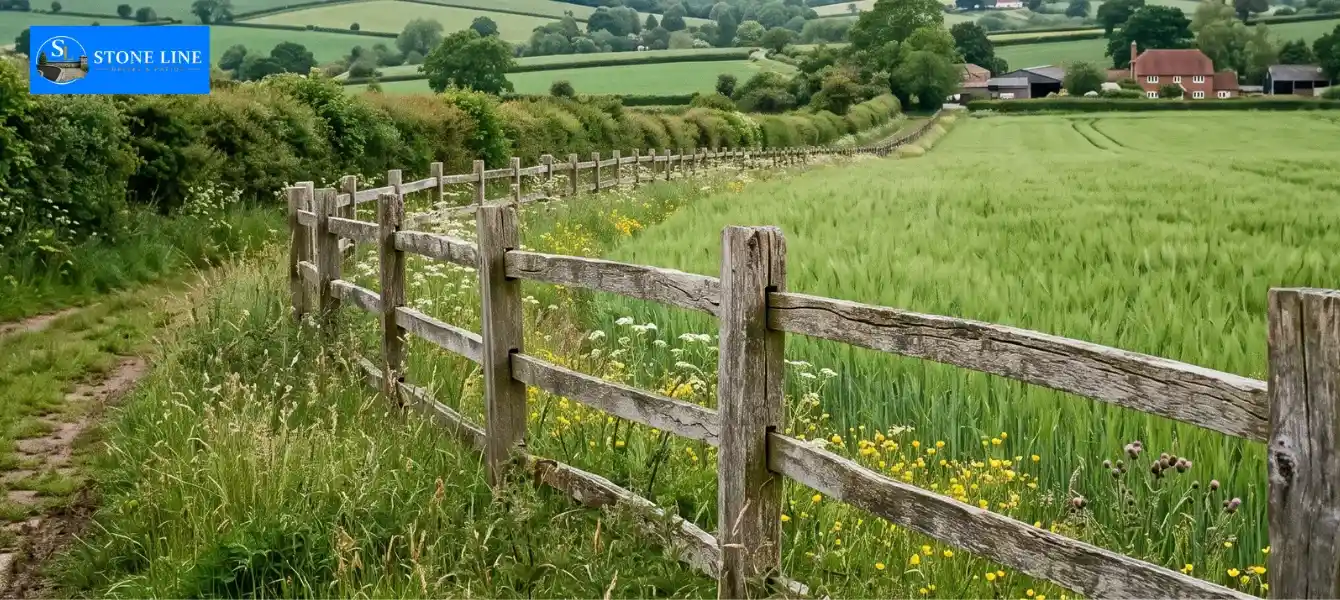
Rural properties on the edges of Ashford, particularly those bordering fields or paddocks, often need post-and-rail fencing simply because a solid privacy fence isn’t practical along a large boundary.
Types Of Garden Fencing Explained
There isn’t one single “best” type of fencing. Each style is built for a different priority, whether that’s privacy, cost, appearance or low maintenance. Here’s a breakdown of the main options.
Closeboard Fencing
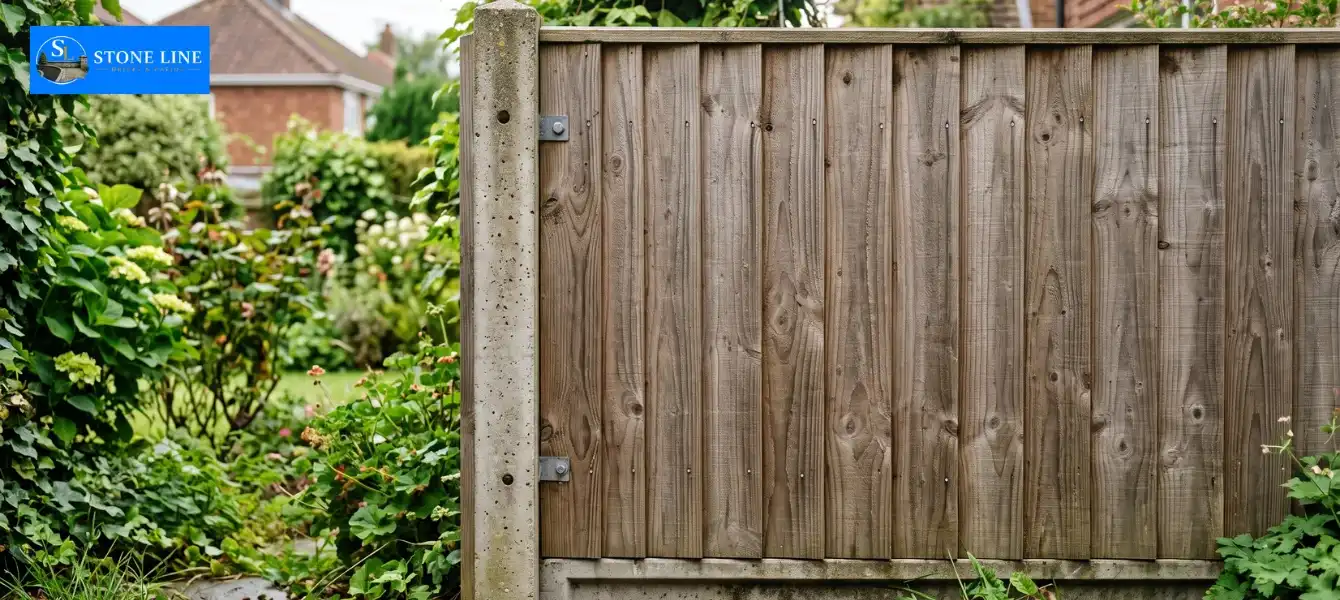
Closeboard fencing is built from overlapping vertical timber boards fixed to horizontal arris rails, usually set between concrete or timber posts. It’s one of the sturdiest fencing styles available and offers excellent privacy since there are no gaps between the boards.
- Strong wind resistance thanks to individual board construction
- Excellent privacy with no visible gaps
- Ideal for gardens backing onto roads, footpaths or overlooked neighbours
- Higher upfront cost due to labour-intensive installation
- Long lifespan when properly treated
Panel Fencing (Lap and Waney Edge)
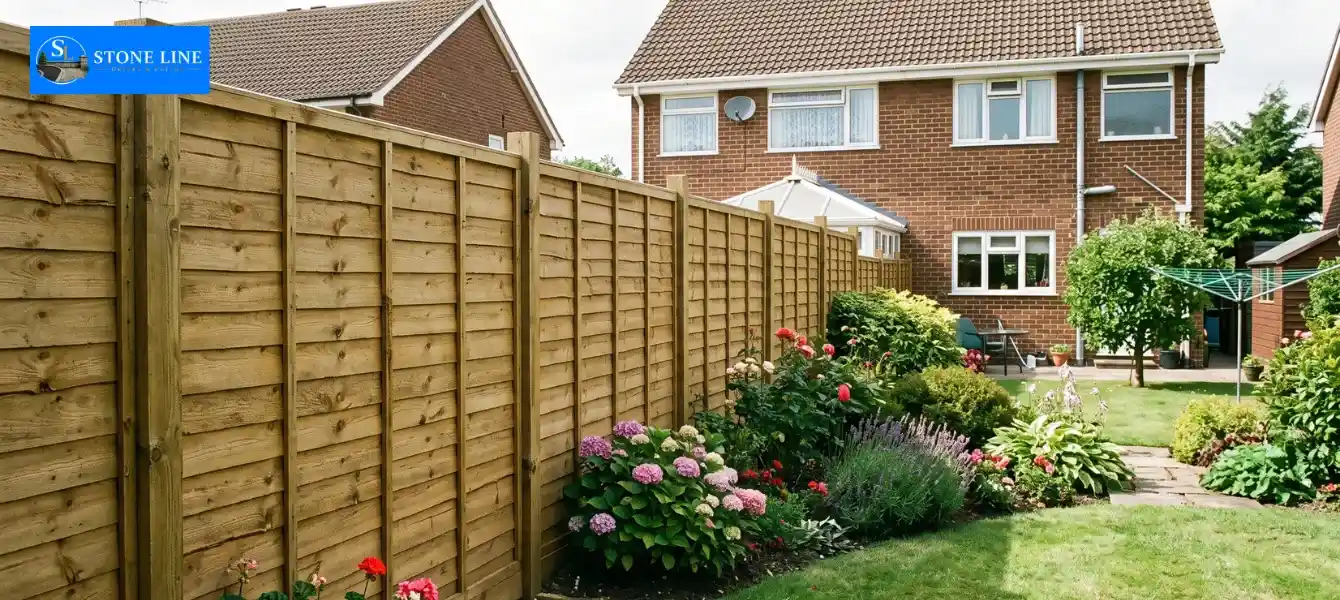
Panel fencing is the option most people picture when they think of a standard garden fence. Pre-built sections, either lap panels (horizontal overlapping slats) or waney-edge panels (with a natural, uneven top edge), slot between posts for quick installation.
- Faster and cheaper to install than closeboard
- Good general-purpose privacy for most gardens
- Less wind-resistant since panels take the full force as one unit
- Widely available and easy to replace section by section
- Suits budget-conscious projects without sacrificing full coverage
Picket Fencing
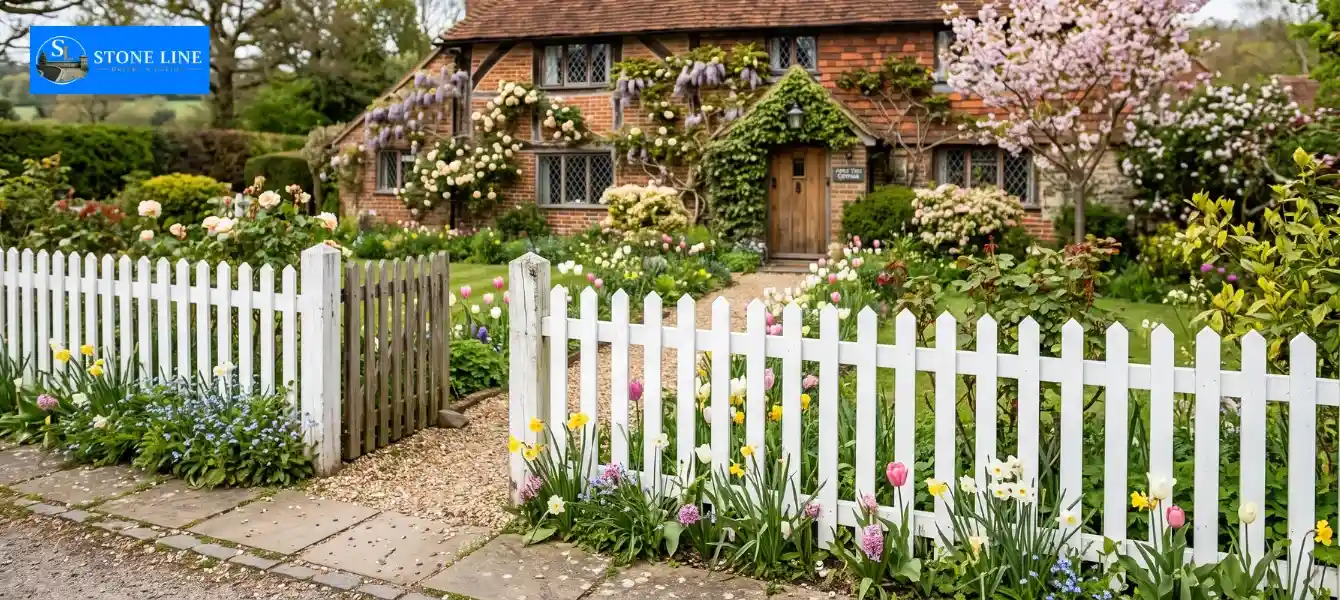
Picket fencing is low, evenly spaced and designed to mark a boundary rather than block a view. It’s a classic look that suits front gardens, particularly on period or cottage-style homes where a low fence complements the property rather than hiding it.
- Strong kerb appeal for period and cottage-style homes
- Keeps sightlines open rather than fully enclosing a space
- Low cost relative to full privacy fencing
- Minimal security value
- Easy to paint or stain to match a property’s exterior
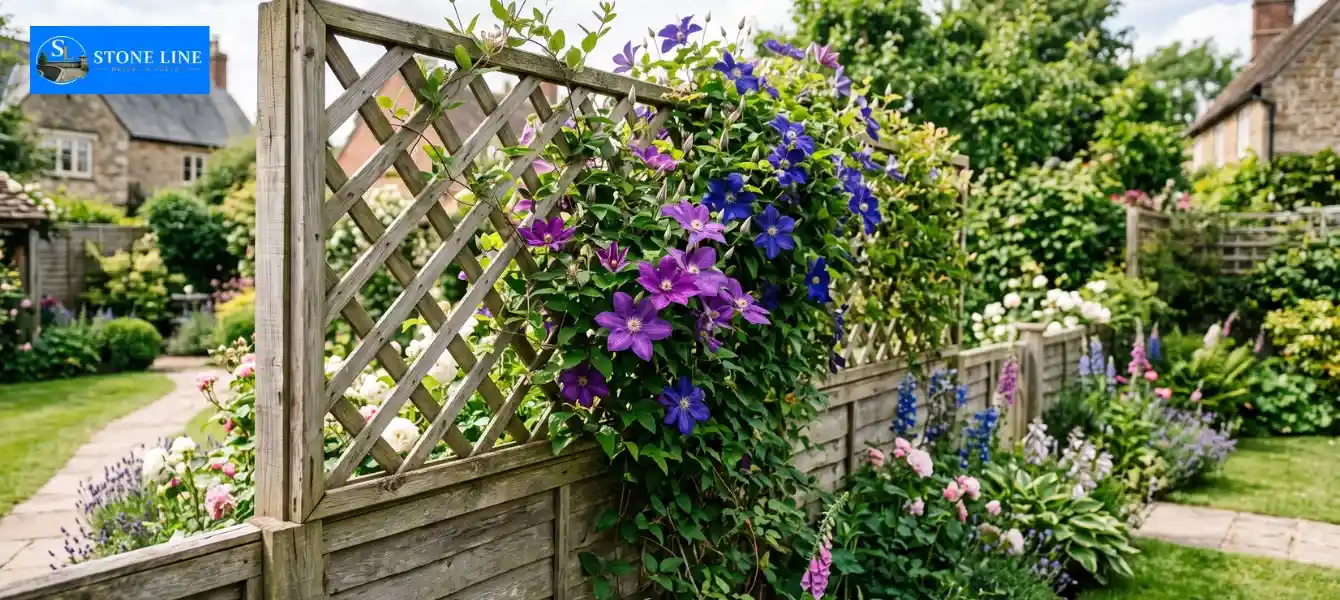
Trellis Fencing
Trellis is rarely used as a standalone boundary fence. It’s more commonly added to the top of an existing fence to increase height and privacy, or used as a freestanding feature to support climbing plants like clematis or honeysuckle.
- Adds height and extra privacy to an existing fence
- Supports climbing plants for a softer, greener boundary
- Decorative rather than security-focused
- Lightweight and simple to install
- Best paired with a solid fence rather than used alone
Post and Rail Fencing
Post-and-rail fencing consists of horizontal rails fixed between vertical posts, leaving open gaps rather than solid screening. It’s common on larger plots, paddocks and rural boundaries around the outskirts of Ashford.
- Well suited to large plots, paddocks and rural boundaries
- Low maintenance and long-lasting
- Doesn’t provide privacy or contain small pets
- Cost-effective for marking long stretches of land
- Simple, functional appearance rather than decorative
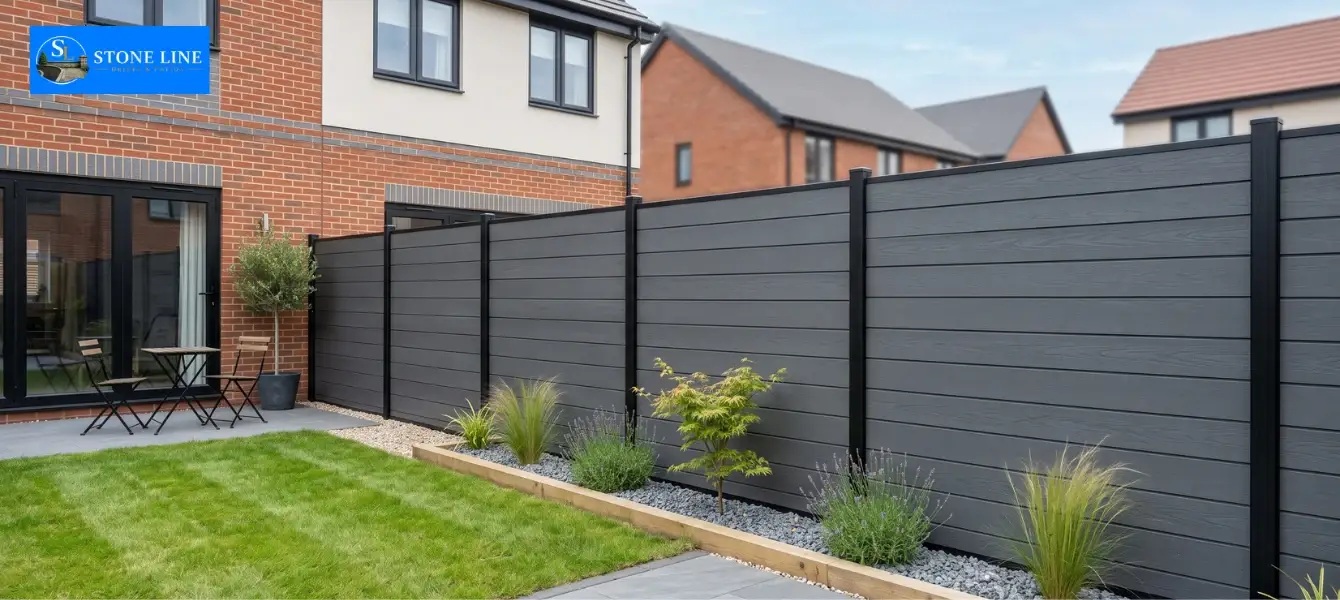
Composite Fencing
Composite fencing combines wood fibres with recycled plastic, giving you the look of timber without the ongoing maintenance. No annual staining, no treating against rot, and it holds its colour far longer than natural wood.
- Very low maintenance, no staining or treating required
- Long lifespan, often 25 to 30 years
- Resists rot, warping and fading
- Higher upfront cost than timber options
- Consistent appearance year-round with minimal upkeep
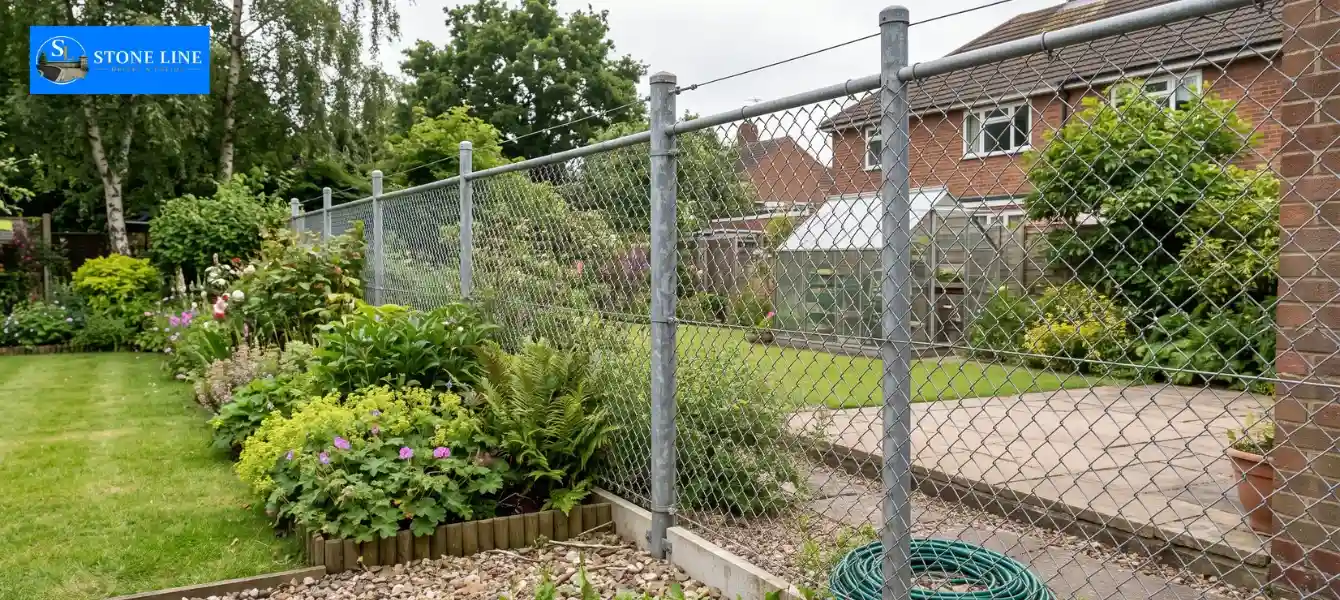
Chain Link Fencing
Chain link fencing is made from galvanised steel mesh, offering a practical and budget-friendly way to secure a boundary without the cost of solid fencing.
- One of the most affordable fencing options available
- Durable steel construction that withstands weather well
- Useful for containing pets or marking side and rear boundaries
- Offers little to no privacy
- More functional than decorative, so better suited to less visible boundaries
Metal and Wrought Iron Fencing
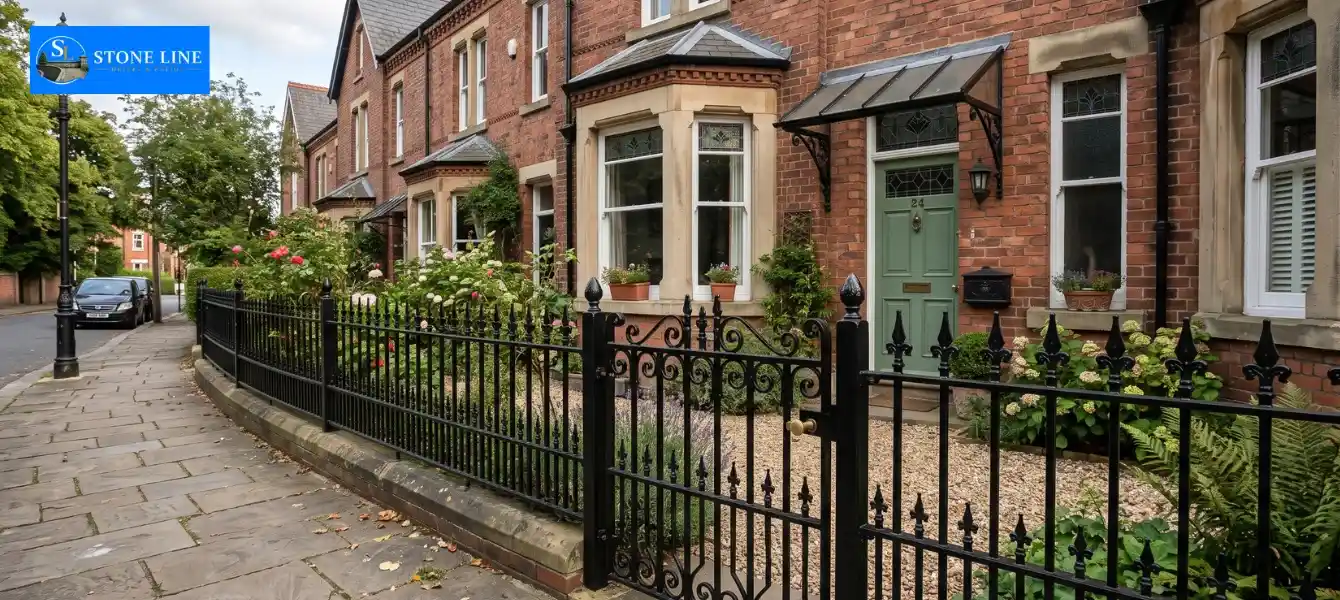
Metal fencing, including wrought-iron and steel designs, offers a decorative yet secure option for front gardens and period properties, often paired with matching gates.
- Strong security benefits for front boundaries
- Low maintenance compared with timber
- Decorative detailing suits period and character properties
- Higher installation cost, particularly for bespoke wrought iron
- Doesn’t offer full privacy unless combined with solid panels or hedging
A Quick Note On Wooden Fencing As A Category
Several of the styles above- closeboard, panel, picket and post and rail- all fall under the broader umbrella of wooden fencing. The main differences between wood fence types come down to construction method and gap spacing rather than the material itself. If privacy is your priority, closeboard and solid panel styles sit at the top of the list. If you want an open, decorative boundary, picket and post-and-rail are a better fit.
How To Choose The Right Fence For Your Garden
With the options laid out, narrowing down the right choice comes down to a handful of practical questions.
Privacy vs Openness
If you want to sit in your garden without feeling overlooked, closeboard, solid-panel, or composite fencing is your best bet. If an open, welcoming boundary matters more, picket fencing or post-and-rail make more sense.
Budget Considerations
Post-and-rail, standard panel fencing, and chain-link tend to sit at the more affordable end. Closeboard, composite, and metal fencing cost more but often work out better value over 10 years when you factor in maintenance and replacement.
Maintenance Commitment
Timber fencing of any style needs treating every one to two years to stay in good condition. Composite and metal fencing need almost none. If you know maintenance isn’t something you’ll keep on top of, that’s worth weighing into the decision now rather than after the fence starts looking tired.
Matching Fence Style to Property Type
As a rough guide:
- Period and cottage homes: picket, closeboard, wrought iron
- Modern new-build estates: composite, panel
- Rural or large plots: post and rail, chain link
- Gardens needing extra privacy or plant support: trellis, closeboard
Fencing Rules And Planning Permission In The UK
Most garden fences don’t need planning permission, but there are limits to consider before you commit to a height or style.
Height Restrictions
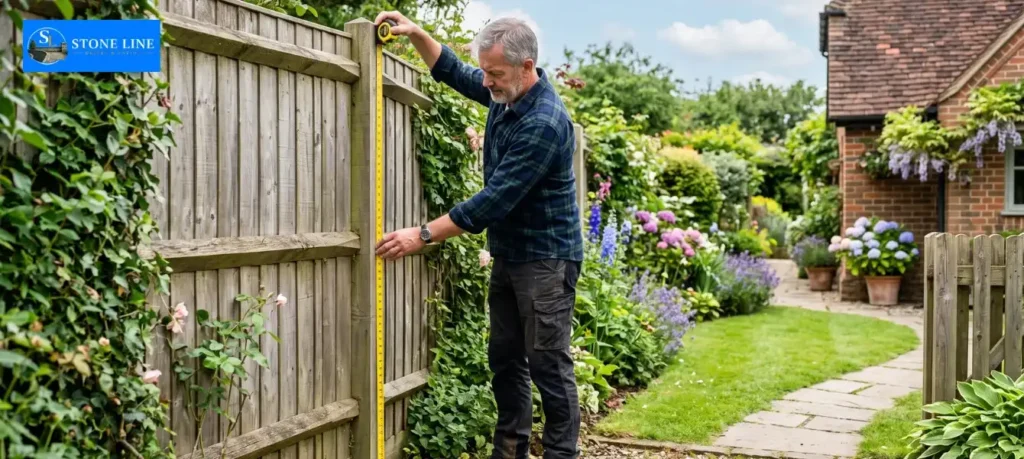
Under UK planning rules, fences to the rear or side of a property can generally be up to two metres high without needing permission. Fencing facing a public highway is usually capped at one metre without approval.
When You Need Permission
You’ll likely need to apply for planning permission if:
- Your property is listed or in a conservation area
- You want to exceed the standard height limits
- There’s a specific covenant or restriction tied to your property deeds
It’s always worth checking directly with your local planning authority or the Planning Portal before installation, particularly for taller or front-facing fences.
How Long Does Fencing Last? A Lifespan Comparison
| Fence Type | Typical Lifespan | Maintenance Level |
|---|
| Closeboard | 15–20 years | Moderate |
| Panel (lap/waney) | 10–15 years | Moderate |
| Picket | 10–15 years | Moderate |
| Trellis | 8–12 years | Low to Moderate |
| Post and Rail | 15–20 years | Low |
| Composite | 25–30 years | Very Low |
| Chain Link | 15–20 years | Low |
| Metal/Wrought Iron | 20–30 years | Low |
Get Expert Fencing Advice And Installation In Ashford
Choosing between the different types of fencing is easier when you can see the options in the context of your own garden rather than guessing from photos online. Stoneline Drives & Patios has spent years installing fencing across Ashford and the wider Kent area, and as an established paving company in Ashford, we often help homeowners combine fencing with driveway or patio upgrades for a complete garden transformation.
Whether you’re after a low-maintenance composite fence, a classic picket boundary for a front garden, or a sturdy closeboard fence for full privacy, we’ll talk you through what suits your space and budget before any work begins.
Conclusion
There’s no single best type of fencing for every home. The right choice comes down to how much privacy you need, what you’re willing to spend on upkeep, and how well a style fits your property’s character. A period cottage near the town centre calls for a different fence than a new-build on the edge of Ashford, and a garden exposed to open fields needs something sturdier than a sheltered courtyard would. Once you’ve weighed up privacy, budget, maintenance and style, narrowing down between closeboard, panel, picket, composite or any of the other options becomes far more straightforward, and the right fence ends up being the one that matches how you actually use your garden rather than the one that simply costs the most or looks the most popular online.
Ready to get started? Get in touch with our Ashford team for a free, no-obligation quote, and we’ll help you choose a fence that suits your garden and withstands Kent’s weather for years to come.
FAQ’s